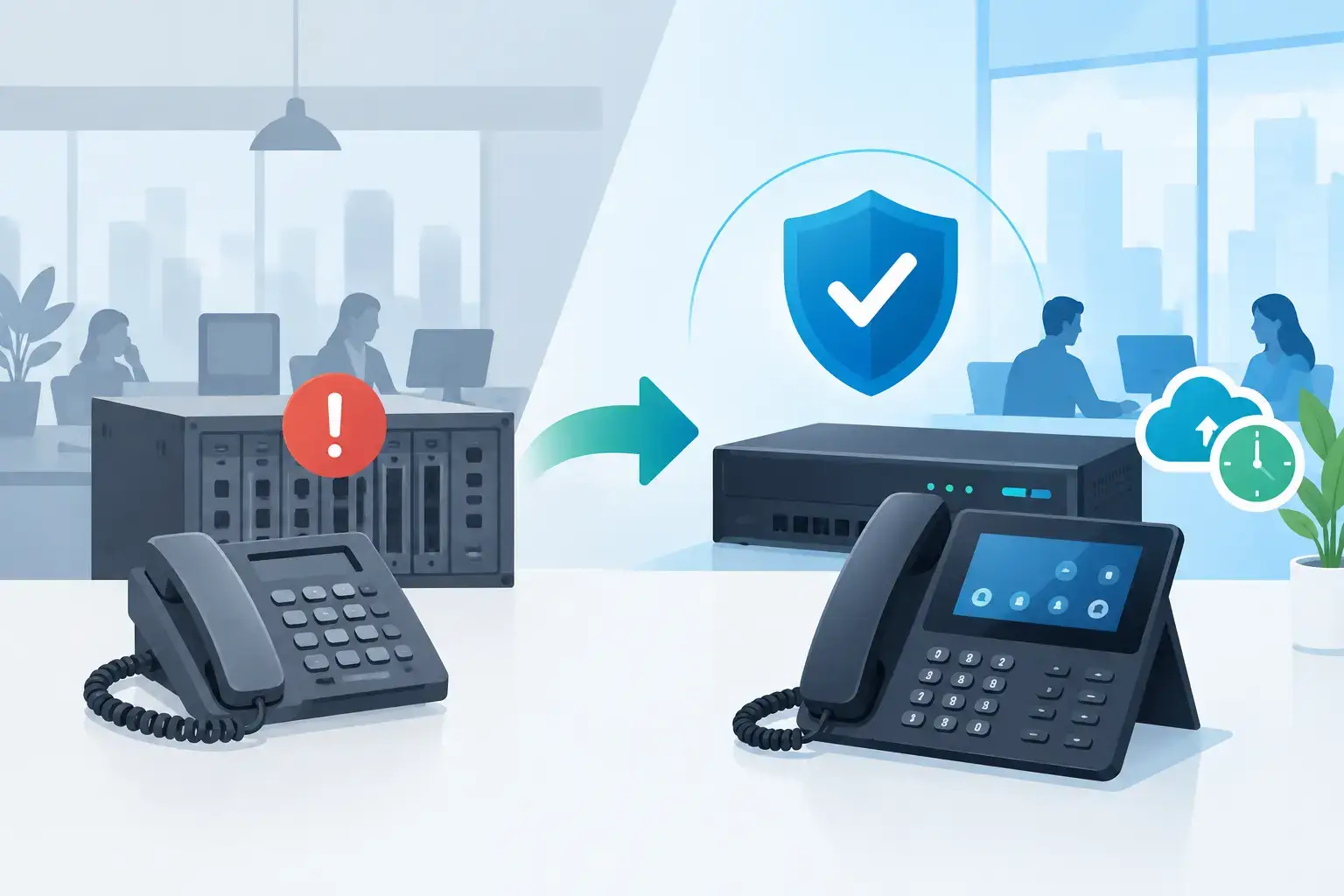
A fire panel, elevator emergency phone, building access controller, or alarm communicator can be easy to overlook until its analog line fails or its monthly bill rises sharply. POTS replacement services give organizations a practical path away from aging copper-based phone lines while preserving the critical connections their facilities, safety systems, and operations still depend on.
For IT and operations leaders, this is not simply a telecom upgrade. It is a continuity decision. Legacy Plain Old Telephone Service, commonly called POTS, was built for a different network era. As carriers retire copper infrastructure, organizations can face higher rates, inconsistent support, limited repair options, and pressure to move services on short timelines.
Why POTS Lines Create a Growing Operational Risk
Many organizations have already migrated employee calling to VoIP, SIP trunks, Microsoft Teams, or UCaaS. Yet analog lines often remain in place because they serve equipment outside the usual communications inventory. A single campus, office building, healthcare facility, school district, or municipal site may have dozens of lines supporting life-safety, security, and operational systems.
The challenge is visibility. Departments may pay for lines independently, records may be incomplete, and no one may be certain which circuit supports which device. That makes a carrier notice or unexpected outage much more than a billing issue. It can expose gaps in emergency communications, building access, alarm monitoring, and regulatory readiness.
POTS replacement is also not a one-size-fits-all conversion. A standard voice line and an elevator phone have different power, signaling, monitoring, and survivability requirements. The right approach begins with understanding the device, its environment, and what must continue working during a network or power event.
What POTS Replacement Services Actually Provide
POTS replacement services replace traditional analog telephone circuits with managed cellular, IP-based, or hybrid connectivity designed for analog-dependent equipment. A compatible gateway or adapter connects the existing device to the new service, allowing organizations to reduce reliance on legacy copper without necessarily replacing every attached system.
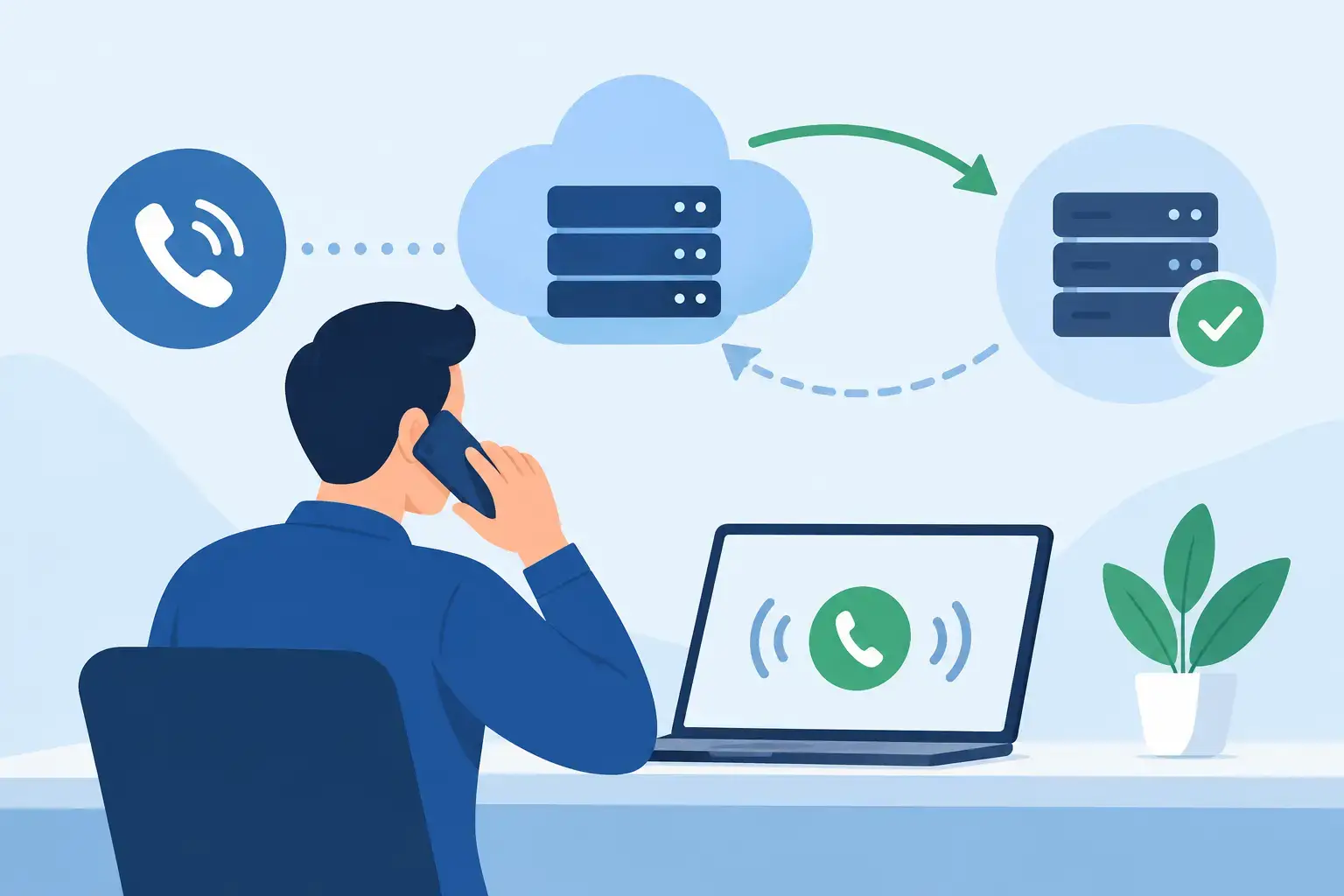
The best-fit technology depends on the application. Cellular connectivity can be well suited to distributed sites or locations where installing new wired service is impractical. IP-based options may make sense where a reliable managed network is available and the organization wants to consolidate infrastructure. In higher-risk applications, a design with battery backup, network failover, and active monitoring may be appropriate.
The objective is not to force every line onto the same platform. It is to match each critical use case with a service architecture that supports availability, testing, manageability, and budget control.
Common Applications for Replacement Planning
Organizations commonly discover analog lines connected to fire and intrusion alarms, elevator emergency phones, access control panels, point-of-sale terminals, fax machines, HVAC controls, intercoms, irrigation systems, and emergency call boxes. Some devices may be capable of using an adapter immediately. Others may require configuration changes, testing with a monitoring provider, or a broader equipment upgrade.
Alarm panels and elevator systems deserve particular care. These systems may have manufacturer requirements, local code considerations, central-station compatibility needs, and specific expectations for backup power. A provider should validate the design with the appropriate stakeholders rather than assume that a basic analog adapter will meet the application’s requirements.
Start With an Inventory, Not a Disconnect Order
The fastest way to create a problem is to cancel analog lines before confirming what they support. A disciplined inventory turns a difficult migration into a controlled project.
Start by collecting carrier bills, circuit IDs, service addresses, telephone numbers, and known department owners. Then physically or remotely trace each line to its connected equipment. For every device, document whether it is safety-related, who monitors it, its power source, its required uptime, and any compliance or inspection obligations.
This process often reveals opportunities beyond replacement. Organizations may find unused lines, duplicate services, or devices that are ready for a modern IP-native solution. It also identifies the lines that cannot tolerate a rushed cutover.
A useful prioritization model separates lines into three groups: critical life-safety and emergency applications, operationally important systems, and low-risk legacy services. Critical systems should receive the deepest design review and the most thorough acceptance testing. Lower-risk lines can often move in coordinated waves after the approach is proven.
Evaluate Reliability Beyond the Monthly Price
Cost reduction matters, particularly when legacy analog rates continue to rise. However, the lowest monthly quote is not automatically the lowest operational cost. A replacement service should be evaluated against the consequences of downtime, failed testing, a missed alarm signal, or a difficult troubleshooting process across multiple vendors.
Ask how the service remains available during commercial power loss. Determine whether the device includes battery backup, how long that backup is expected to support the application, and how battery health is monitored. If the service uses cellular connectivity, evaluate signal strength at the installation location and whether carrier diversity or external antennas are needed.
For IP-based designs, clarify the dependency chain. Does service rely on the local internet connection, a specific firewall configuration, or onsite network equipment? Is there automatic failover if the primary path fails? A network connection that is reliable for ordinary office traffic may still need additional safeguards before it supports a critical alarm or emergency line.
Also ask who owns incident resolution. When the analog device, gateway, network, and monitoring destination are supplied by different parties, troubleshooting can become slow and fragmented. A consultative provider helps define responsibilities before an outage occurs and provides clear escalation paths when one does.
Security and Compliance Need to Be Designed In
For government agencies, contractors, educational institutions, and regulated commercial organizations, a POTS replacement project must fit the broader security posture. The replacement path should be assessed for device security, administrative access, traffic handling, monitoring, and documentation.
That does not mean every analog application needs the same compliance architecture. It does mean decision-makers should understand where communications travel, how equipment is managed, and whether the provider can support organizational security requirements. Agencies and contractors operating in GCC High, FedRAMP-aligned, or CMMC-sensitive environments should involve their security and compliance teams early, particularly when the project intersects with voice infrastructure or protected operational systems.
Documentation is valuable after deployment as well. Accurate records of service locations, device assignments, test results, backup-power assumptions, and support contacts make future audits, relocations, and incident response more manageable.
Build a Migration Plan That Protects Operations
A successful migration typically begins with a pilot. Select a manageable set of lines that represents the larger environment, install the replacement equipment, and verify end-to-end function with the device owner and any monitoring center. Test normal calling or signaling, loss of primary power, restoration behavior, and any required supervision or alerting.
Once the pilot is accepted, schedule migrations in waves. Keep legacy service active until the replacement has passed testing and all stakeholders approve the cutover. This overlap may add short-term cost, but it reduces the risk of discovering a compatibility issue after a critical line has been disconnected.
Communication is equally important. Facilities teams, security personnel, elevator vendors, alarm companies, IT staff, and procurement teams may each own part of the process. Assign a clear project lead and establish a change record for each location. That structure prevents a replacement project from becoming a series of isolated installations with no operational accountability.
Questions to Ask a POTS Replacement Provider
Before selecting a partner, decision-makers should expect direct answers about compatibility, resiliency, implementation, and support. Ask whether the provider will help inventory lines, assess device requirements, coordinate testing, and document the final environment. Confirm what redundancy options are available, how monitoring works, and what happens when a gateway loses connectivity or power.
It is also reasonable to ask about deployment experience in multi-site environments and regulated settings. A provider that understands the distinction between a convenience line and a life-safety application can recommend an architecture that fits the actual risk, not just the service order.
Intuity approaches POTS replacement as part of a broader communications strategy, helping organizations align critical analog applications with secure cloud voice, network resiliency, and ongoing US-based support.
Legacy analog lines do not need to become an emergency project. With a verified inventory, application-specific design, and deliberate testing, organizations can retire aging POTS dependencies while keeping the systems people rely on ready when they are needed most.